
How Attractions Can Increase Off-Season Bookings
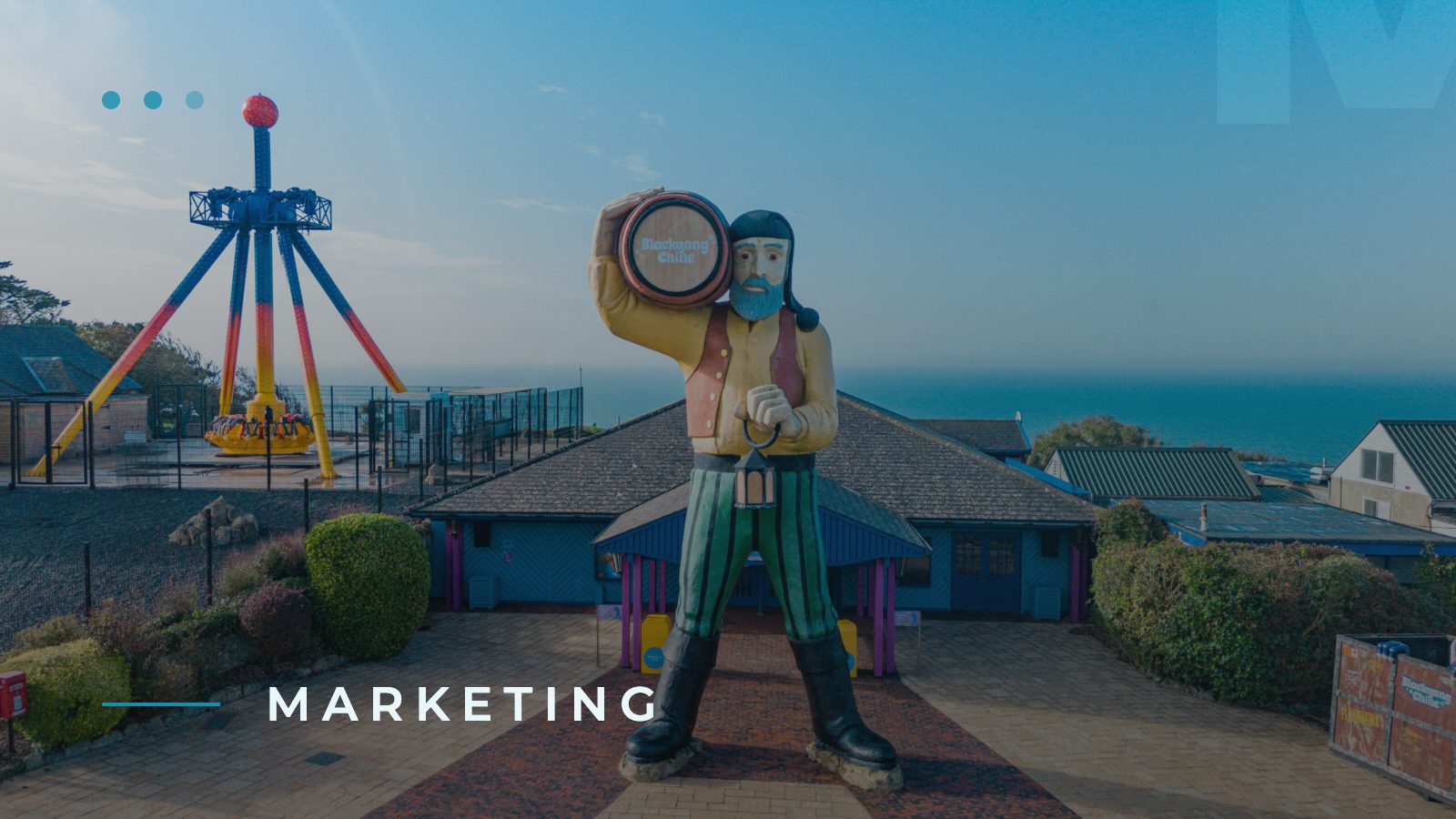
Practical ways UK attractions can increase off-season bookings — from last-minute demand capture to local audiences and shoulder-season campaigns.
The summer holidays are over, the gates are quieter, and for most UK attractions the next six months are where the year is won or lost. The good news: if you want to increase off-season bookings, the demand is genuinely there — it just behaves differently. Visitors book later, spend more carefully, and need a better reason to turn up. This post covers what’s actually changed in visitor behaviour and the practical moves attractions can make between now and spring.
The off-season opportunity is growing, not shrinking
Two trends should shape your planning.
First, shoulder-season travel is booming. Advantage Travel Partnership’s 2025 trading data showed September–October bookings up 20% year on year, as travellers dodge peak-season crowds and prices. Tour operators are reporting the same pattern heading into 2026: off-peak trips are one of the strongest growth segments in UK travel.
Second, domestic demand is holding up — but it’s cautious and last-minute. VisitEngland’s Trip Tracker for the 2026 August bank holiday found 10.6 million Brits planning an overnight UK trip (worth an estimated £4.3 billion), slightly down on 2025’s 11.2 million — with a further 5.8 million still undecided days before the weekend. That undecided group is the story: a huge pool of people who want a day out or short break, but are waiting on weather, deals, and payday before committing.
For attractions, the takeaway is simple. Off-season visitors exist in volume. They’re just harder to reach with a “book your summer tickets” playbook.
Five ways to increase off-season bookings
1. Build a reason to visit, then market the reason
Nobody needs persuading to visit a theme park in August. In November, they need a reason — and “we’re still open” isn’t one.
The attractions that trade well through winter are the ones that productise the off-season: Halloween events, Christmas experiences, February half-term programming, behind-the-scenes tours, adult-only evenings. The marketing then sells the event, not the venue. Every campaign gets a hook, a date, and a deadline — which is exactly what a hesitant, value-conscious booker responds to.
2. Capture last-minute demand deliberately
The VisitEngland data shows booking windows have collapsed — millions of people now decide within 48–72 hours of travelling, driven by weather forecasts and deals. Most attractions’ marketing calendars ignore this completely.
Practical moves:
3. Remarket to your summer visitors
Your cheapest off-season bookings are people who already visited this year. They know you, they’ve paid you, and you (should) have their email address.
Segment your summer list and give each group a relevant next step: families get half-term event invites, couples get evening events, locals get annual pass offers. Pair email with Meta remarketing audiences built from site visitors and past purchasers — warm audiences routinely convert at a fraction of cold-traffic cost, which matters most when overall demand is thinner.
4. Go after the local audience
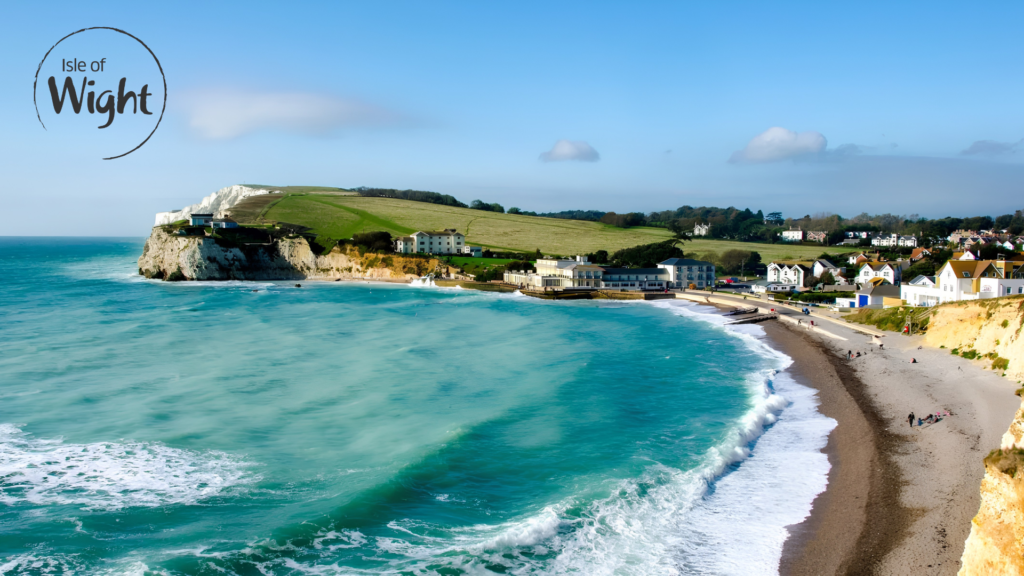
Off-peak, the visitor mix shifts towards locals and near-locals — a pattern DMOs see consistently in seasonality data across the UK. Here on the Isle of Wight, the maths is obvious: 140,000+ residents don’t disappear when the ferries quieten down.
Locals need different messaging (no accommodation, shorter planning horizon, price-sensitive but high-frequency) and different products — resident rates, annual passes, loyalty pricing. A local annual pass holder who visits five times over winter is worth more than most single peak-season admissions, and they bring friends.
Geo-targeted social and Google campaigns within a 30–60 minute drive time are cheap, measurable, and almost always under-used by attractions.
5. Use the quiet months to build content that pays off all year
Off-season is when you have the operational headroom to produce the assets that drive next year’s peak: brand films, event promo video, photography, drone content shot in good light without crowds in every frame.

There’s a compounding effect here. Attractions that show up in January with strong video content — behind-the-scenes builds, “what’s new for 2027” reveals, founder or keeper-led storytelling — enter the spring booking window with warm audiences already built. The ones that go silent from November to March start every season from zero.
Value-seeking behaviour cuts both ways, too: research from AA Media in 2026 found 37% of Brits intend to take more domestic leisure trips this year, with value for money the top consideration. Content that demonstrates value — what’s included, how long a visit lasts, what a family actually gets for the ticket price — converts better than discounting, and doesn’t erode your yield.
Measure the season properly
One final point: judge off-season activity on the right numbers. Cost per booking, repeat-visit rate, email list growth, and annual pass conversions matter more between October and March than raw footfall comparisons against August. If your reporting can’t tell you what a winter campaign returned, that’s a strategy problem, not a marketing spend problem.
Make this off-season count
At Media House we work with attractions and destinations — including some of the Isle of Wight’s best known — on exactly this: event-led campaigns, paid media that captures last-minute demand, and broadcast-quality content produced in the quiet months that pays back all year.
If your shoulder-season numbers need to work harder, get in touch — we’ll tell you plainly where the opportunity is.
Ready to put this into practice?
At Media House we turn strategy like this into measurable growth. Let’s talk about how it applies to your brand.
Get in touch